# Air Fryer vs Deep Fryer: The Honest Truth About Taste, Health & Cost
Can an air fryer really replace a deep fryer? This question pops up everywhere from kitchen chats to online forums. The honest answer isn’t a simple yes or no — it depends on what you want out of your cooking, your lifestyle, and your taste buds. We’ve put these two kitchen warriors head-to-head to give you the full picture on taste, texture, health impact, running costs, convenience, safety, and more. By the end, you’ll know exactly which one fits your Aussie kitchen best.
---
How They Work — The Fundamental Difference
Understanding how each cooker works is key to appreciating their strengths and weaknesses.
Deep Fryer
A deep fryer works by completely submerging food in hot oil, typically between 175-190°C. The oil’s heat transfers rapidly and evenly, cooking food quickly while creating an intensely crunchy exterior. This happens because of the Maillard reaction, a chemical process that browns food and develops complex flavours. The high temperature also seals the outside quickly, locking in moisture and resulting in that classic deep-fried texture we all crave.
Deep fryers usually hold 1-3 litres of oil, depending on size, and require preheating that takes about 8-10 minutes. The oil acts as both the cooking medium and flavour enhancer.
Air Fryer
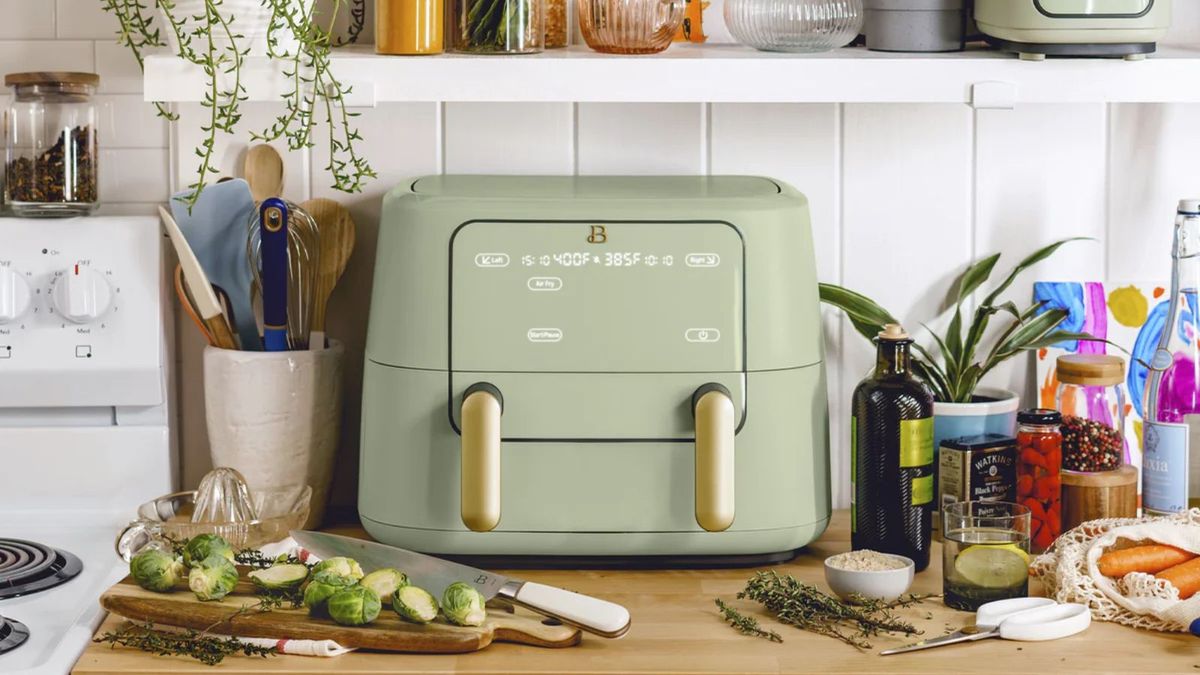
An air fryer is essentially a compact convection oven with a strong fan and a heating element. It circulates superheated air at high speeds around the food, cooking it evenly. You only need a light coating of oil, around 1-2 tablespoons, or sometimes just a spray, to help with browning and crispiness.
Air fryers typically heat to 180-200°C and preheat in about 3 minutes. Because there’s no oil bath, air frying is often described as producing a "roasted crisp" rather than the deep-fried crunch, but the texture is still very satisfying.
---
Taste & Texture Comparison
Let’s get straight to it: the taste and texture of deep-fried food and air-fried food are not identical. But how different are they really?
Deep Fryer’s Edge
Deep frying delivers a rich, intense crunch and a moist interior thanks to the oil penetrating the outer layer. Think about the best fish and chips you’ve had — that perfect golden batter, so crispy yet flaky. Or the light, bubbly texture of tempura prawns, where the wet batter instantly sets in hot oil.
This kind of texture is very difficult for an air fryer to replicate because the food isn’t submerged in oil.
Air Fryer’s Strengths
Air frying produces a crispiness that is noticeably better than oven baking but less oily and heavy than deep frying. The texture is closer to roasted or toasted, which many find delicious and lighter on the palate.
Air fryers excel with:
- Frozen items like chips, nuggets, and spring rolls — they come out crunchy without excess oil.
- Roasted vegetables — the hot air caramelises edges beautifully.
- Chicken wings — skin crisps up nicely without deep frying.
- Reheating leftovers — air frying restores crispiness without sogginess.
When Each Shines
| Food Type | Best Cooking Method | Why |
|---|---|---|
| Wet-battered items | Deep fryer | Instant set batter, deep crunch |
| Doughnuts | Deep fryer | Even golden colour, soft interior |
| Frozen snacks | Air fryer | Crisp without excess oil |
| Roasted vegetables | Air fryer | Even caramelisation, less greasy |
| Chicken wings | Air fryer | Crispy skin, juicy inside |
| Reheating leftovers | Air fryer | Restores crispiness, no sogginess |
---
Health Impact
Here’s where the air fryer really pulls ahead, especially for health-conscious Aussies.
Oil Usage & Calories
- Deep frying uses up to 1-2 litres of oil per batch, which soaks into food, increasing fat content significantly.
- Air frying requires just 1-2 tablespoons of oil or less, reducing overall fat intake by around 70-80%.
This translates into fewer calories per serving, making air-fried foods a better choice if you’re watching your waistline or heart health.
Acrylamide Reduction
Acrylamide is a potentially harmful chemical formed when starchy foods are cooked at high temperatures. Studies published in the *Journal of Food Science* show that air frying can reduce acrylamide formation in potatoes by up to 90% compared to deep frying. This means air frying is not only lower in fat but also potentially safer in terms of chemical exposure.
Oil Quality & Waste
Deep frying repeatedly heats the same oil, which degrades over time and can produce harmful compounds. Handling, storing, and disposing of used oil is a hassle and a safety risk. Air fryers eliminate this worry entirely — no large vats of oil, no rancid oil smell, no waste.
---
Running Costs
Let’s talk dollars — how much does it cost to run these machines regularly in an Aussie household?
| Cost Factor | Deep Fryer | Air Fryer |
|---|---|---|
| Oil per batch | $5-10 (replaced every few uses) | Negligible (spray or tbsp) |
| Electricity usage | 1500-1800W, 8-10 min preheat + cook | 1200-1800W, 3 min preheat + cook |
| Annual oil cost | $300-500 (weekly use) | $0 |
| Annual electricity | Similar | Similar or slightly less |
Bottom line: If you deep fry once a week, expect to spend hundreds of dollars annually on oil alone. Air fryers mainly run on electricity, which is comparatively cheap and steady.
---
Convenience & Cleanup
For many Aussies, convenience is king in the kitchen.
Air Fryer
- Preheat: 3 minutes
- Cook: Depends on recipe, usually 10-20 minutes
- Cleanup: Remove basket and tray, wash or pop in dishwasher
- Total time: Around 5 minutes for cleanup
Deep Fryer
- Preheat: 8-10 minutes to heat oil
- Cook: Typically faster, but batch sizes limited
- Cool down: Oil takes 30+ minutes to cool safely
- Cleanup: Strain/store or dispose of oil, clean vat and components
- Total time: Easily 30-40 minutes including cleanup
The hassle of cooling and dealing with hot oil alone puts many people off deep frying at home regularly.
---
Safety
Safety is a huge consideration, especially in homes with kids.
- Deep fryers involve vats of boiling oil that can splash or spill, leading to severe burns or fires. Deep fryer accidents are a common cause of kitchen fires in Australia.
- Air fryers have no exposed hot oil, use enclosed baskets, and generally have built-in automatic shut-offs. They’re much safer to operate and less intimidating for beginners.
---
Common Mistakes to Avoid
Using either appliance incorrectly can spoil your cooking experience. Here are some traps to watch out for:
- Overcrowding the basket or fryer: Crowding lowers temperature and causes soggy, uneven cooking.
- Not preheating: Both appliances perform best when preheated to the right temperature.
- Using the wrong oil: For deep frying, use oils with high smoke points, like peanut or sunflower oil. Avoid olive oil.
- Not drying food properly: Moisture causes oil splatter in deep frying and steam in air frying, reducing crispiness.
- Skipping oil in air frying: A light spray or brushing of oil is crucial for browning and texture.
- Ignoring safety precautions: Always handle hot oil carefully; never leave deep fryers unattended.
---
Pro Tips for Getting the Best Results
Here are some expert tips from Aussie kitchen enthusiasts to nail your fried food every time.
- Shake or turn food halfway: Whether air frying or deep frying, turning food helps even cooking and crispiness.
- Use a thermometer: For deep frying, keep oil between 175-190°C to avoid greasy or burnt food.
- Pat food dry: Use paper towels to dry wet foods before cooking to reduce oil splatter or sogginess.
- Don’t reuse oil too much: If deep frying, strain oil after use and replace after 3-4 uses.
- Experiment with seasoning: Toss air-fried chips or wings immediately after cooking for best flavour absorption.
- Cook in small batches: This ensures hot air or oil surrounds the food evenly.
- Try different coatings: Panko breadcrumbs crisp up beautifully in air fryers.
---
FAQ
Is an air fryer healthier than a deep fryer?
Yes. Air fryers use significantly less oil, resulting in lower fat and calorie content. They also reduce harmful compounds like acrylamide compared to deep frying.
Can you cook all foods in an air fryer that you would in a deep fryer?
Most, but not all. Wet-battered foods like tempura or beer batter don’t set properly in an air fryer and are better deep fried.
How long does it take to cook chips in an air fryer vs a deep fryer?
Air fryer chips take around 15-20 minutes at 180-200°C, shaken halfway. Deep fryer chips cook faster, around 3-5 minutes at 180°C, but require oil heating and cooling time.
Is cleanup really easier with an air fryer?
Absolutely. Air fryer baskets and trays are usually dishwasher safe and require minimal effort. Deep fryers need oil filtering, storage or disposal, and thorough cleaning.
Can I reheat leftovers in an air fryer?
Yes! Air fryers are excellent for reheating, restoring crispiness without drying out food, unlike microwaves.
What type of oil is best for deep frying?
Use oils with high smoke points like peanut, sunflower, or canola oil. Avoid olive oil due to its low smoke point.
Are air fryers expensive to run?
Electricity use is moderate and similar to ovens or microwaves. Since they use little to no oil, ongoing costs are much lower than deep frying.
---
Our Verdict
For 90% of Australians, an air fryer is the smarter kitchen investment. It’s healthier, easier to use, cheaper to run, safer, and the food tastes fantastic for everyday cooking. If you love crispy food with minimal fuss and oil, an air fryer will serve you brilliantly.
Choose a deep fryer if you’re a dedicated cook who regularly makes wet-battered foods like tempura, battered fish, or doughnuts and don’t mind the oil management involved.
Choose an air fryer if you want quick, easy, and healthier cooking with less mess and safer operation. To find the perfect model, explore our best air fryer reviews tailored for Australian kitchens.
---
Ready to upgrade your cooking game? Give an air fryer a go — your taste buds and waistline will thank you! For more on safe cooking habits and perfect crispiness, check out our guide to air fryer safety and our air fryer cooking times cheat sheet.