# Is an Air Fryer Worth It? Honest Cost-Benefit Analysis
Air fryers have taken Australian kitchens by storm over the past few years, and it's easy to see why. Walk into any Harvey Norman, JB Hi-Fi, or Kmart and you'll find an entire wall dedicated to these compact countertop appliances. But with prices ranging from under $50 to well over $400, the question on everyone's lips remains: *is an air fryer actually worth it?*
In this honest cost-benefit analysis, we'll break down the real costs, the genuine benefits, and the situations where an air fryer might not be the right choice for your household. Whether you're a solo renter in a studio apartment or feeding a family of five, this guide will help you make an informed decision.
What Does an Air Fryer Actually Cost?
Purchase Price
The upfront cost of an air fryer varies enormously depending on brand, capacity, and features. Here's a realistic breakdown of what you can expect to pay in Australia:
- Budget models (2–3L): $40–$80 — Think Kmart, Aldi specials, or no-name brands. These are fine for singles or couples who cook occasionally.
- Mid-range models (4–6L): $100–$200 — This is the sweet spot for most households. Brands like Philips, Tefal, and Ninja sit in this range.
- Premium models (6L+, dual basket): $200–$450 — Ninja's dual-zone models, the Cuisinart XL, and similar appliances fall here. Ideal for families or serious home cooks.
If you're unsure which size suits your household, our buying guide walks through capacity recommendations in detail. You can also compare models side by side to find the best value for your budget.
Running Costs: Electricity
One of the most compelling arguments for air fryers is their energy efficiency compared to a conventional oven. A standard electric oven draws between 2,000–2,400 watts and takes 10–15 minutes to preheat. An air fryer typically draws 1,200–1,800 watts and reaches cooking temperature in 2–3 minutes.
Let's run the numbers using an average Australian electricity rate of approximately $0.30 per kWh:
| Appliance | Wattage | 30-min cook | Cost per session |
|---|---|---|---|
| Conventional oven | 2,200W | 1.1 kWh | ~$0.33 |
| Air fryer (mid-range) | 1,500W | 0.75 kWh | ~$0.23 |
| Air fryer (budget) | 1,200W | 0.6 kWh | ~$0.18 |
If you cook dinner five nights a week, switching from an oven to an air fryer could save you roughly $25–$50 per year on electricity alone. That's not life-changing, but it adds up — and the faster preheat time means you're also saving time every single day.
Maintenance and Accessories
Most air fryers require minimal maintenance beyond regular cleaning. The basket and tray are typically dishwasher-safe, though hand washing extends their lifespan. You might want to invest in a few accessories — silicone liners, a rack insert, or a baking tin — which typically cost $10–$30 total. Check out our accessories page for recommendations on what's actually worth buying.
The Real Benefits of Owning an Air Fryer
Faster Cooking Times
This is where air fryers genuinely shine. The combination of rapid hot air circulation and a compact cooking chamber means food cooks significantly faster than in a conventional oven. Chicken thighs that take 40 minutes in the oven are done in 20–22 minutes at 375°F (190°C) in an air fryer. Frozen chips that need 30 minutes in the oven are crispy and golden in 15–18 minutes at 400°F (204°C).
For busy weeknight cooking, this time saving is genuinely valuable. You can have a full meal on the table in under 30 minutes without the stress of managing multiple pots and pans.
Healthier Cooking (With Caveats)
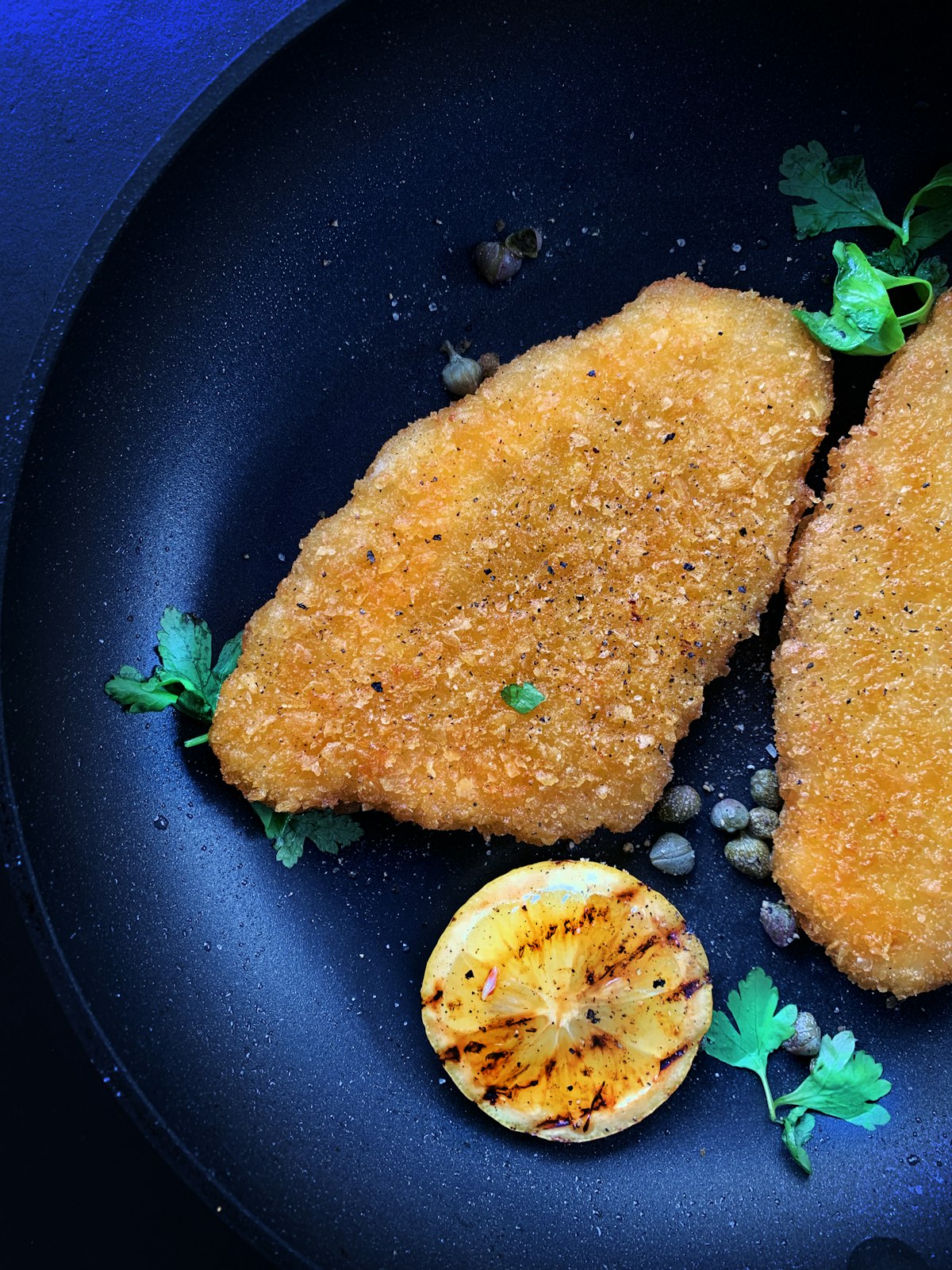
Air fryers use significantly less oil than deep frying — often just a light spray or a teaspoon of oil rather than litres of hot fat. This can meaningfully reduce the calorie and fat content of foods like chips, chicken wings, and crumbed fish.
However, it's worth being honest here: an air fryer doesn't magically make unhealthy food healthy. A frozen party pie cooked in an air fryer is still a frozen party pie. The health benefits are most pronounced when you're replacing deep-fried foods or heavily oiled oven-baked dishes with air-fried alternatives.
For those focused on healthy eating, our blog has a range of nutritious air fryer recipes that make the most of the appliance's low-oil cooking capabilities.
Versatility Beyond "Frying"
Modern air fryers are far more versatile than their name suggests. Beyond chips and chicken, you can use them to:
- Roast vegetables — capsicum, zucchini, and sweet potato come out beautifully caramelised at 390°F (199°C)
- Bake — muffins, small cakes, and even bread rolls work surprisingly well
- Reheat leftovers — pizza, roast chicken, and spring rolls regain their crispiness rather than going soggy like they do in a microwave
- Dehydrate — some models can dehydrate fruit, vegetables, and jerky at low temperatures around 130°F (54°C)
- Grill — steaks, sausages, and fish fillets cook evenly with a nice char
This versatility means an air fryer can genuinely replace or supplement several other appliances, which is particularly valuable in smaller kitchens.
Convenience and Ease of Use
Air fryers are remarkably easy to use. Most models have simple dial or digital controls, and the cooking process is largely hands-off — you set the temperature and timer, give the basket a shake halfway through, and you're done. There's no preheating a large oven for a small meal, no splattered grease to clean off the stovetop, and no standing over a hot pan.
For seniors, students, or anyone who finds cooking intimidating, this simplicity is a genuine advantage. If you're shopping for an older family member, our buying guide includes specific recommendations for easy-to-use models.
The Honest Downsides
Limited Capacity for Large Families
A 4L air fryer basket sounds generous, but in practice it holds enough chips for two to three people, or four chicken thighs. If you're regularly cooking for five or more people, you'll either need to cook in batches (which negates the time-saving benefit) or invest in a larger dual-basket model.
Dual-basket air fryers like the Ninja Dual Zone solve this problem by letting you cook two different foods simultaneously at different temperatures and times. They're more expensive, but for families, the investment is often justified. Browse our reviews to see how the top dual-basket models compare.
Not Ideal for Every Type of Food
Air fryers excel at dry-heat cooking — anything that benefits from a crispy exterior. They're less suited to:
- Wet batters — traditional beer batter tends to drip through the basket and create a mess
- Large roasts — a whole leg of lamb or a large roast chicken won't fit in most standard models
- Delicate fish — thin fillets can dry out quickly if you're not careful with timing
- Soups, stews, and curries — obviously not suitable for liquid-based cooking
Counter Space
Air fryers take up meaningful bench space. A mid-range 5L model is roughly the size of a large microwave. If your kitchen is already crowded, this is worth considering. Some people store their air fryer in a cupboard and bring it out when needed, but this reduces the convenience factor significantly.
The Learning Curve
Every air fryer cooks slightly differently, and there's a learning curve involved in getting temperatures and timings right. Cooking at 350°F (177°C) for 15 minutes might be perfect in one model and slightly underdone in another. Most people find their groove within a few weeks, but expect a few trial-and-error meals early on.
Who Should Buy an Air Fryer?
Great Investment For:
- Busy households that cook frequently and value speed and convenience
- Health-conscious cooks looking to reduce oil consumption without sacrificing texture
- Small households (1–4 people) where a full oven feels like overkill for everyday meals
- Renters without access to a full kitchen setup
- Anyone who loves crispy food — chips, chicken, spring rolls, crumbed anything
Think Carefully If:
- You rarely cook at home — the appliance will gather dust and the investment won't pay off
- You regularly cook for large groups — you'll need a premium dual-basket model or multiple cooking batches
- Your kitchen is already crowded — counter space is a real constraint
- You primarily cook soups, stews, or braised dishes — an air fryer won't help much here
Cost-Benefit Summary
Let's put it all together. For a typical Australian household cooking dinner 4–5 nights per week:
| Factor | Benefit |
|---|---|
| Electricity savings vs oven | ~$30–$50/year |
| Time saved (faster cooking + no preheat) | ~15–20 min/day |
| Reduced oil use | Meaningful for fried foods |
| Versatility | Replaces deep fryer, toaster oven for many tasks |
| Upfront cost (mid-range) | $100–$200 |
| Break-even on electricity savings | 2–5 years |
The financial case for an air fryer isn't overwhelming — you're not going to recoup the purchase price through electricity savings alone in the first year. But the *convenience* case is strong. The time savings, the ease of use, the consistently crispy results, and the reduced mess all add up to a genuinely better cooking experience for most households.
Our Verdict
For the majority of Australian households, yes, an air fryer is worth it — particularly if you're buying in the $100–$200 range. At that price point, you're getting a reliable, versatile appliance that will genuinely improve your weeknight cooking routine.
If you're on a tight budget, a $50–$80 model from Kmart or Aldi is a low-risk way to try air frying without a major commitment. If you're cooking for a family of four or more, consider stretching to a dual-basket model — the ability to cook two things simultaneously is a game-changer.
Where an air fryer *isn't* worth it is if you rarely cook at home, have no bench space, or are hoping it will transform your diet overnight. It's a tool, not a miracle worker.
Ready to find the right model for your kitchen? Check out our air fryer reviews for detailed breakdowns of the best models available in Australia right now, or head to our buying guide for personalised recommendations based on your household size and budget.
---
*Have questions about whether a specific model is right for you? Browse our blog for more guides, comparisons, and recipes to help you get the most out of your air fryer.*